
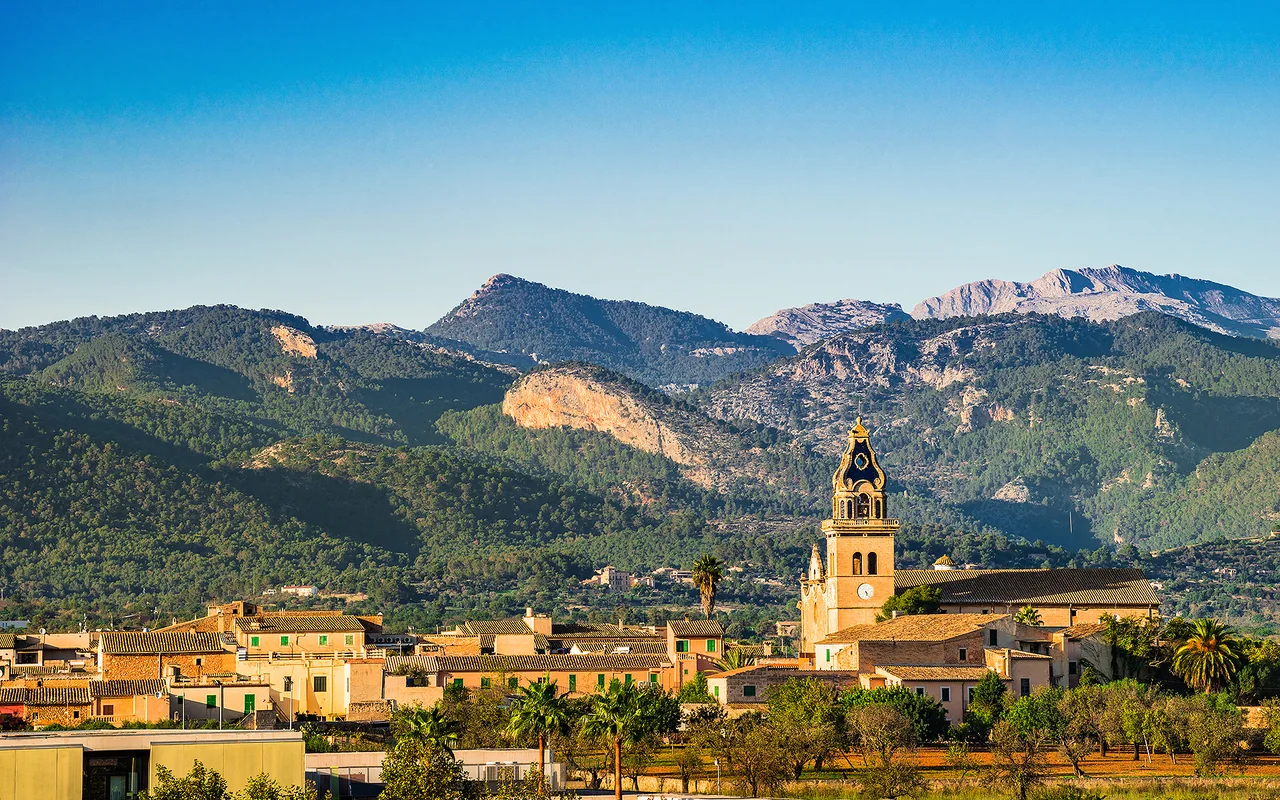
Santa Maria del Camí
Saint Mary!
Saint Mary of the Way, to be more specific. Because that's the meaning of the name of this village north-east of Palma de Mallorca , Santa María del Camí. But hardly anybody uses the full name. Almost everyone just calls it “Santa Maria”. And Santa Maria boasts one of the largest Sunday markets on the island. The market is on from 7 a.m. to 2 p.m., in summertime and in wintertime, rain or shine. You'll find around 500 stalls peddling their wares here, so you can throw yourself into all this bustling activity and colourful variety.
01Cod and sobrassada
A stroll around the market is really invigorating, The selection is so enormous, the mix of products is so diverse and the sellers are such quirky characters. In the end, almost nobody who visits the market goes home empty-handed. It's only ten o'clock, and the streets are gradually filling up. You'll see dried cod (bacalao) pieces alongside herrings, cheese next to pickled capers, ham side by side with cured pigs' ears. Roasted almonds next to raw almonds, hazelnuts, dried plums. And then there are stalls selling typical Majorcan sausages of all kinds , longanizas, camaiot, and butifarrón , invitingly chopped into perfect little bite-sized samples for you to try. If you have more of an appetite, you might opt for a slice of bread topped with the sobrassada paprika-flavoured spreadable sausage.
02Flowers, seeds, fruit trees
You can amble past flower stalls with brightly-coloured geraniums and purchase potted herbs of all sorts, from bay laurel to juniper, to myrtle. Or maybe you need a few more flowering bulbs? Or seeds to grow sweetcorn, cabbage, or parsely? For your garden or terrace, perhaps a small mandarin, orange, grapefruit or pistachio tree, or ginkgo, pine, or tomato seedlings? You'll strike gold in Santa Maria.
03Clothes at bargain prices
You can buy beauty supplies such as loofah sponges, olive soap and black pumice stone. And just make sure you don't miss out on the “new collection” of sweaters, blouses, scarves and children's clothing, with a sign advertising them at bargain prices! Shoes, belts, handbags, basket bags, tablecloths, earthenware , it's all on offer.
04Organic food
In the organic section of the market, alongside fruit and vegetables, you can also find bread and flour produced from old varieties of grain, such as farina d’espelta or sagó de blat. Bulgar wheat, muesli, and couscous are for sale too , in jute sacks, true to the original style. There's so much choice, you don't know what to look at first.
05Bodegas by the marketplace
The marketplace is unimaginable without the Bodega Can Rubí, which has now been an institution for more than 100 years and is just beckoning you to sample some wine. The simple wine is tapped directly from large, rounded wooden barrels. Or maybe you'd prefer an organic wine? Then, the perfect place is just a couple of doors down at Jaume de Puntiró. After a tour of the market like this, the cafés and bars around Plaça Nova also entice you with café con leche and the typical pan de tomate, which is hearty tomato bread.
06Village of contrasts
When the hustle and bustle of the market is over, this place with a population of 7,500 turns back into the cosy village surrounded by vineyards. There are actually several bodegas located here, large and small. Some press wine in the conventional way, while others have dedicated themselves to organic production, and some others even make vegan wines. Many of the wines bear the designation of origin Denominación de Origen (D.O.) Binissalem. And it's not only grapes that are thriving in the area around Santa Maria; there are almond trees galore too, which immerse the landscape in a sea of pink and white blossoms every January and February.
07Grapes at the church doorway
The village church dates back to the 13th century. If you take a closer look at the sandstone portal, you'll discover that luscious grapes have been chiselled into the stone! Now, prepare to be captivated by the Convento de los Mínimos, a 17th-century former convent built in Renaissance style and featuring an enchanting inner courtyard with awe-inspiring walls. It lies restfully in the middle of the village, among the benches, tapas bars, bakeries and little shops, as a testament to the past.
08A taste of Santa Maria
All around Plaça Hostals in Santa Maria, you have numerous options for shopping and wining and dining. You have Livingdreams, for example , a sort of lifestyle store for decoration, custom-made furniture and fabrics. Being a large building, they've also set up Restaurant 19 inside, serving light, Mediterranean cuisine. Right next door, Celler Sa Sini attracts customers with an appetite for Majorcan fare. The desserts and the enormous selection of home-made cakes here are legendary, by the way. Around the plaça, rustic tapas bars also serve their delicious little portions of all kinds of tasty morsels, from stuffed aubergines to albóndigas in tomato sauce , the meatballs that are simply requisite in all establishments like this in Majorca.
Should you be in the mood for more refined dining, one option is the restaurant-mill Molí des Torrent. It has been run by Germans for many years, having been sensitively renovated, and you can find it just outside town on the Carretera de Bunyola. The ambience is unique, the cuisine is superb and the service is heart-warming.
09Tongue fabrics from the local textile producer
If you like the typical Majorcan tongue fabrics (so called because of their patterns like tongues of flames), you can find manufacturer Artesanía Textil Bujosa in Santa Maria. Now in its third generation, the business has been producing these cooling, Majorcan natural fabrics since 1949. It is one of the few producers still in existence on the island. These fabrics are cracking all-rounders, being versatile enough for all kinds of uses, such as for furniture upholstery, curtains, cushion covers and bedspreads.
10Great infrastructure
The rural surroundings for hiking and cycling...the authentic village life in Santa Maria...and the central location. These qualities attract many foreign residents to the place, including those with and without children, and those who choose to have a second home in Majorca as well as those who choose to live on the island all year around. Another large part of the village's appeal is its great transport links via the motorway. You can reach the Balearic capital city of Palma de Mallorca within half an hour by car , and you also have a train connection. There is an international school called The Academy International School just eight kilometres away in Marratxí, where you will also find a shopping and fashion outlet centre.
11A wide selection of property
If you're interested in property, you'll find that there's a wide variety on offer here. The range runs from traditional village houses and apartments in the village centre to villas and fincas with large plots of land outside of town, including views of the Sierra de Tramuntana mountain range , a UNESCO World Heritage Site since 2011. And Majorca is actually an ideal location for teleworking or setting up an office at home , thanks to the island's high-speed Internet.
Properties in Santa Maria del Camí
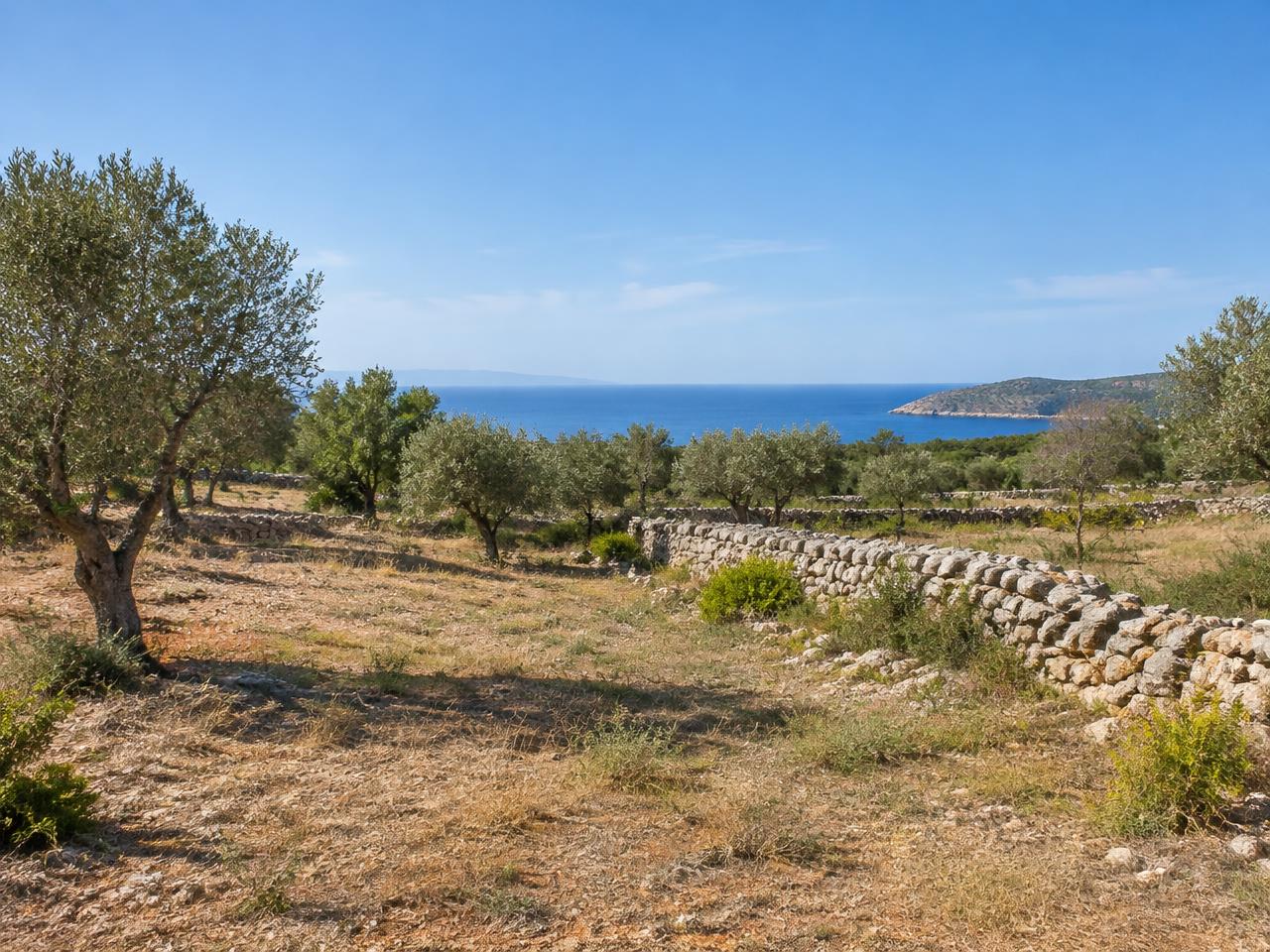
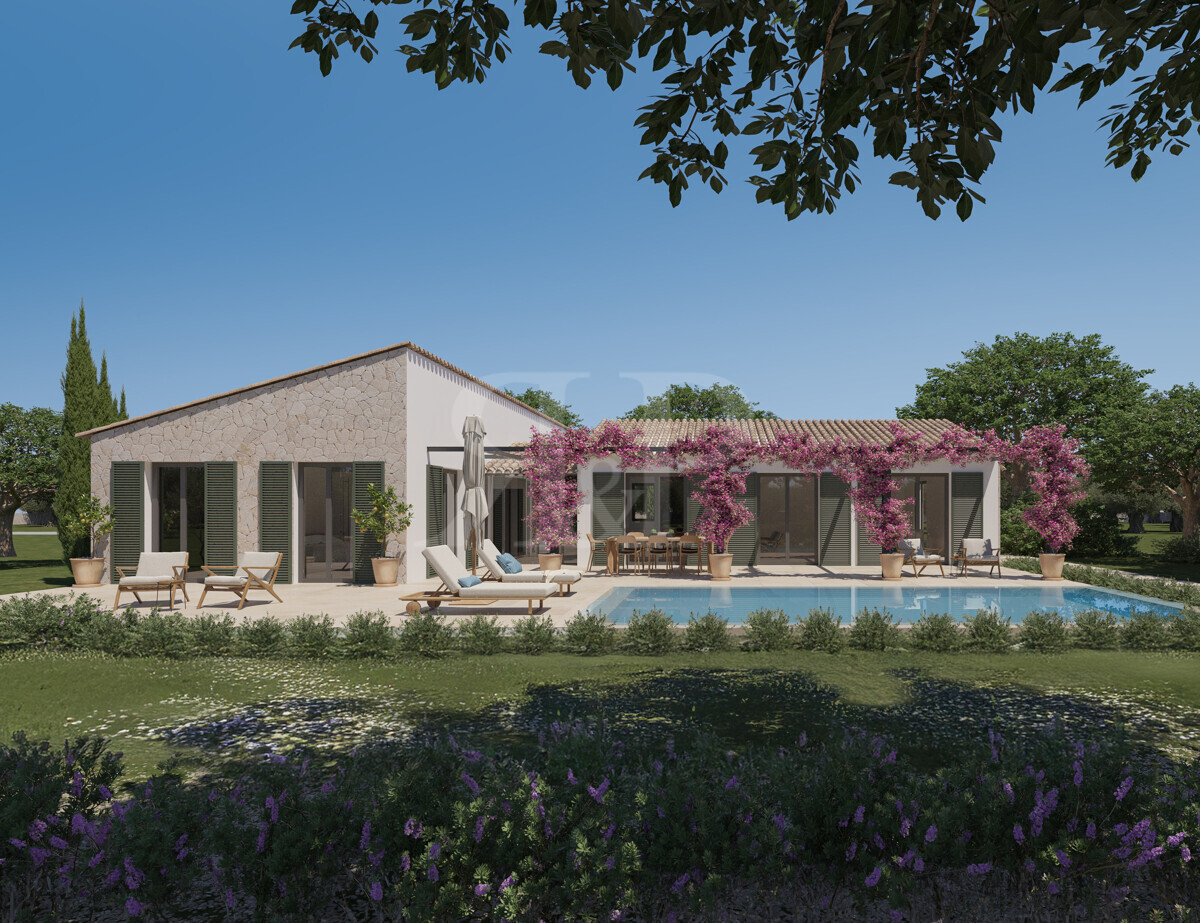
Property with a building permit
Santa Maria del Camí
- 208 m²
€790,000
Asking price
Nearby places
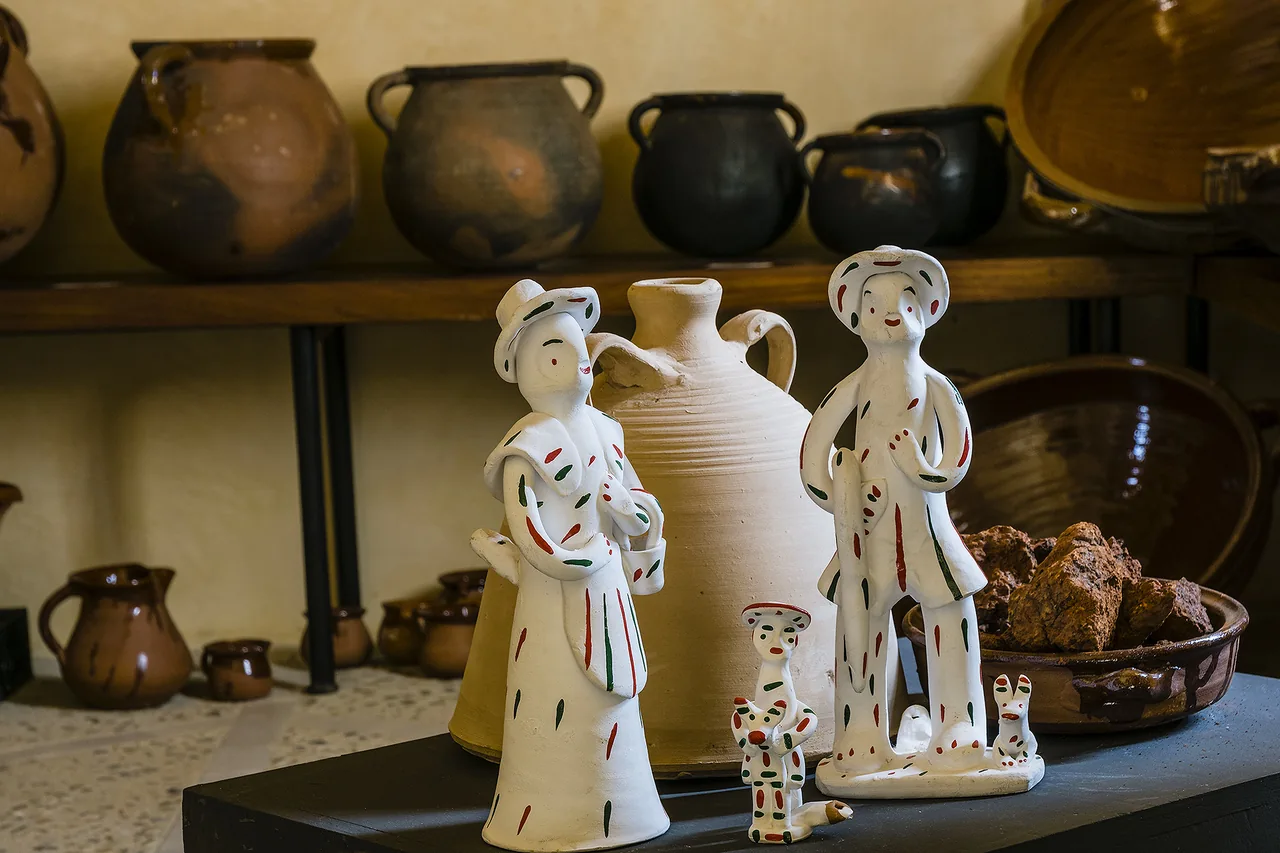
Marratxí
There is no town called Marratxí , but there is a municipality! The "municipio" has five localities: Portòl, Pont d'Inca, Sa Cabaneta, Pla de Na Tesa and Marratxínet. Together, they make up Marratxí. This municipality is located between Palma de Mallorca, Bunyola and Santa Maria and is one of the most densely populated in Majorca.
Explore this place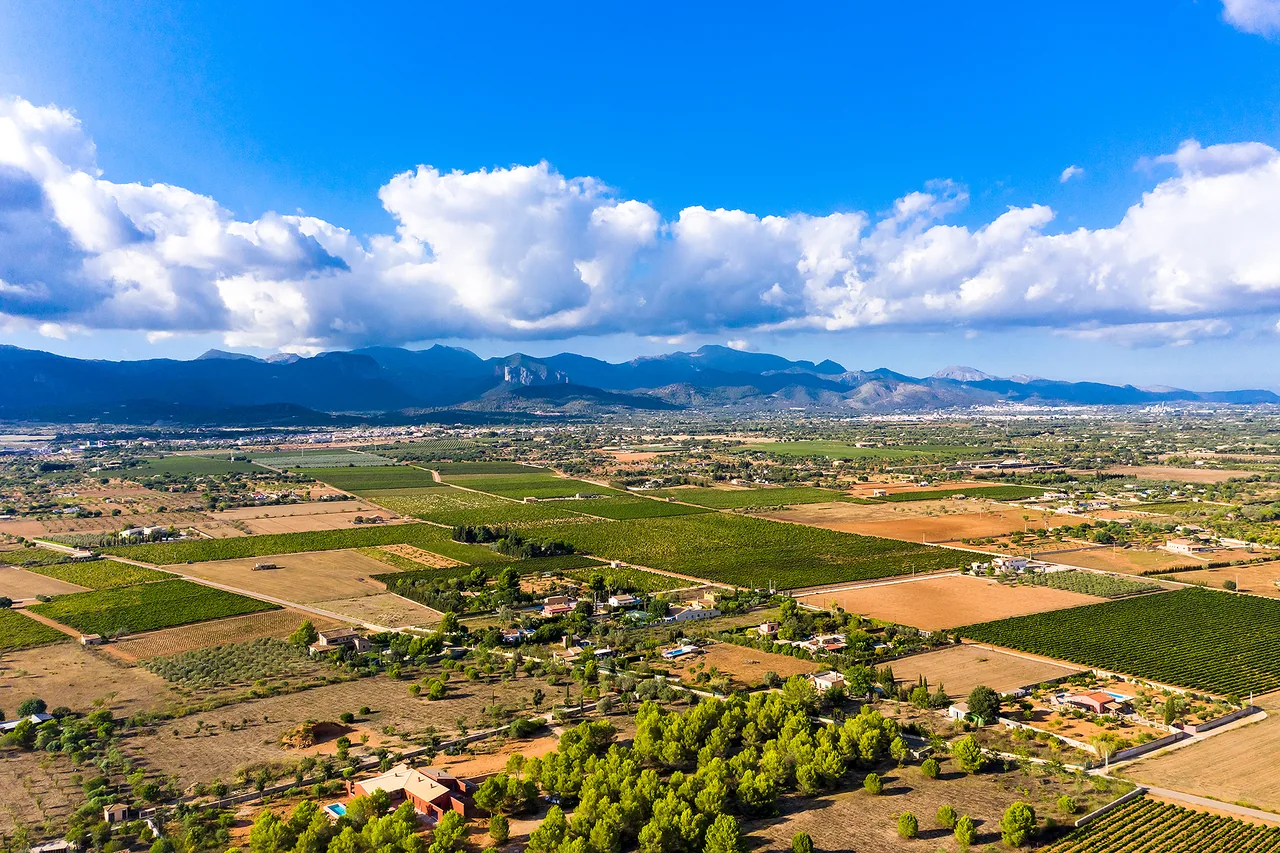
Santa Eugènia
Santa Eugènia has a familial feel about it, and something authentically Majorcan. The three flour mills overlooking the village give it a touch of romance. It also has a beautiful well in the village centre, the 17th-18th century parish church and traditional restaurants.
Explore this place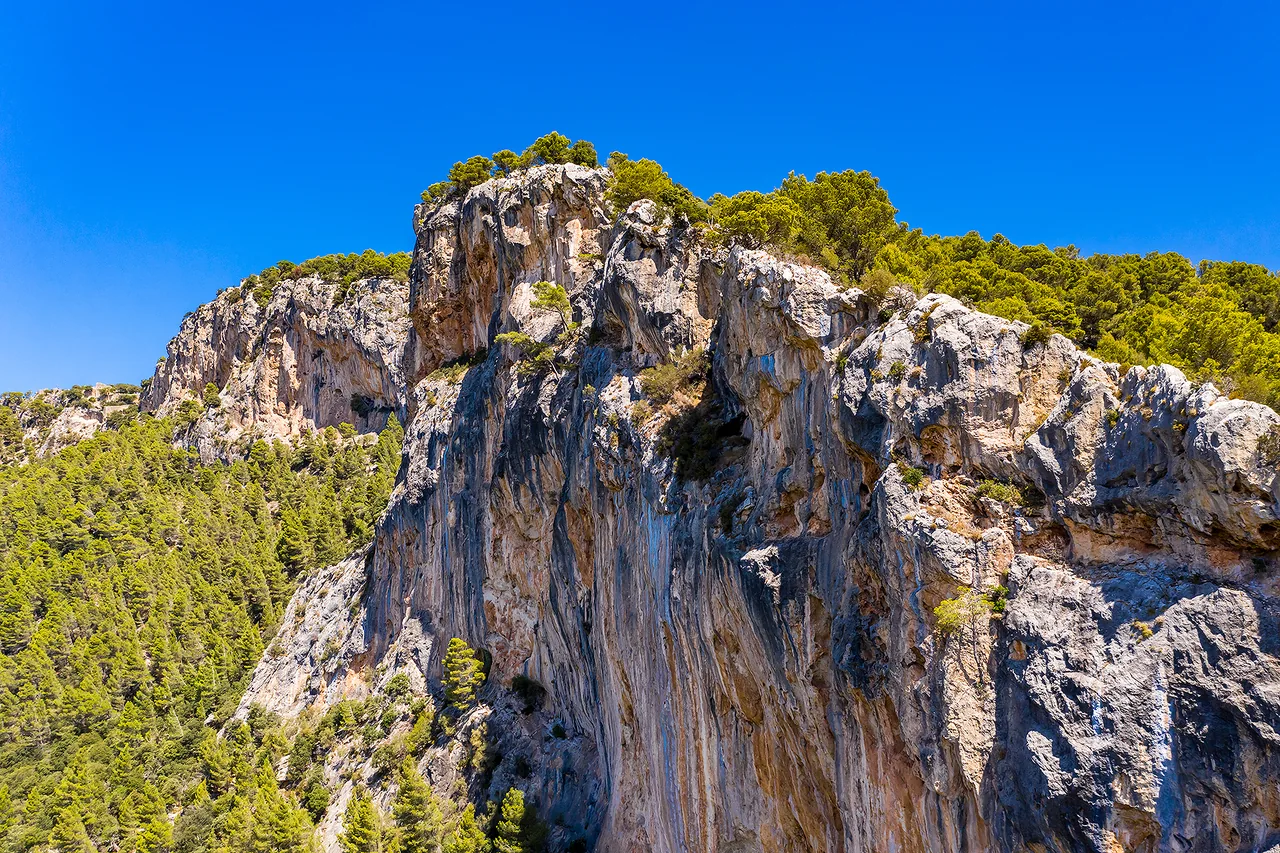
Alaró
It feels really cosy, the small town of Alaró by the Tramuntana mountain range with just around 5,600 inhabitants. Mind you, as the first municipality in Majorca to have electricity, Alaró was once way ahead of its time. Electrical power was introduced here way back in 1901.
Explore this placeRelated guides
Binissalem
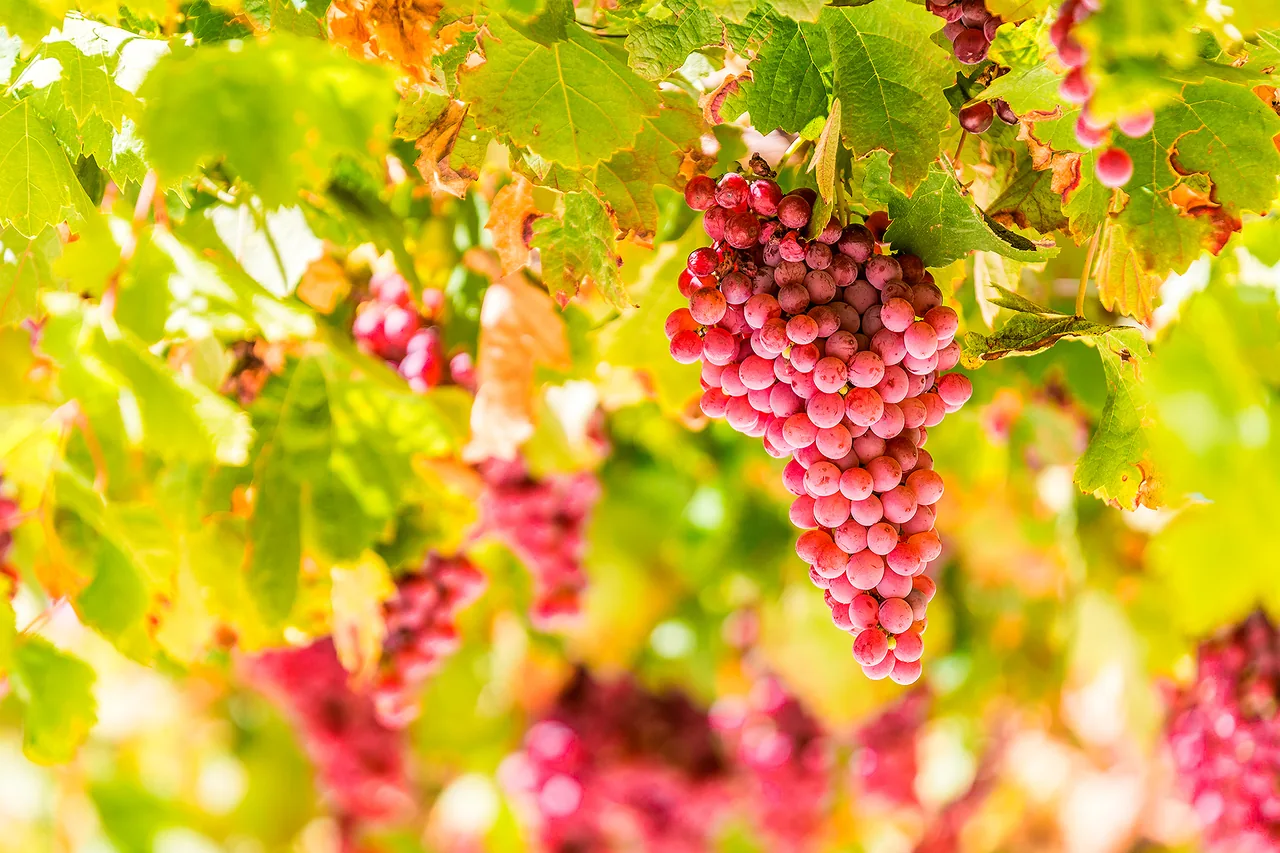
Binissalem and wine...the two are inextricably linked. This town in the interior of the island
Explore this place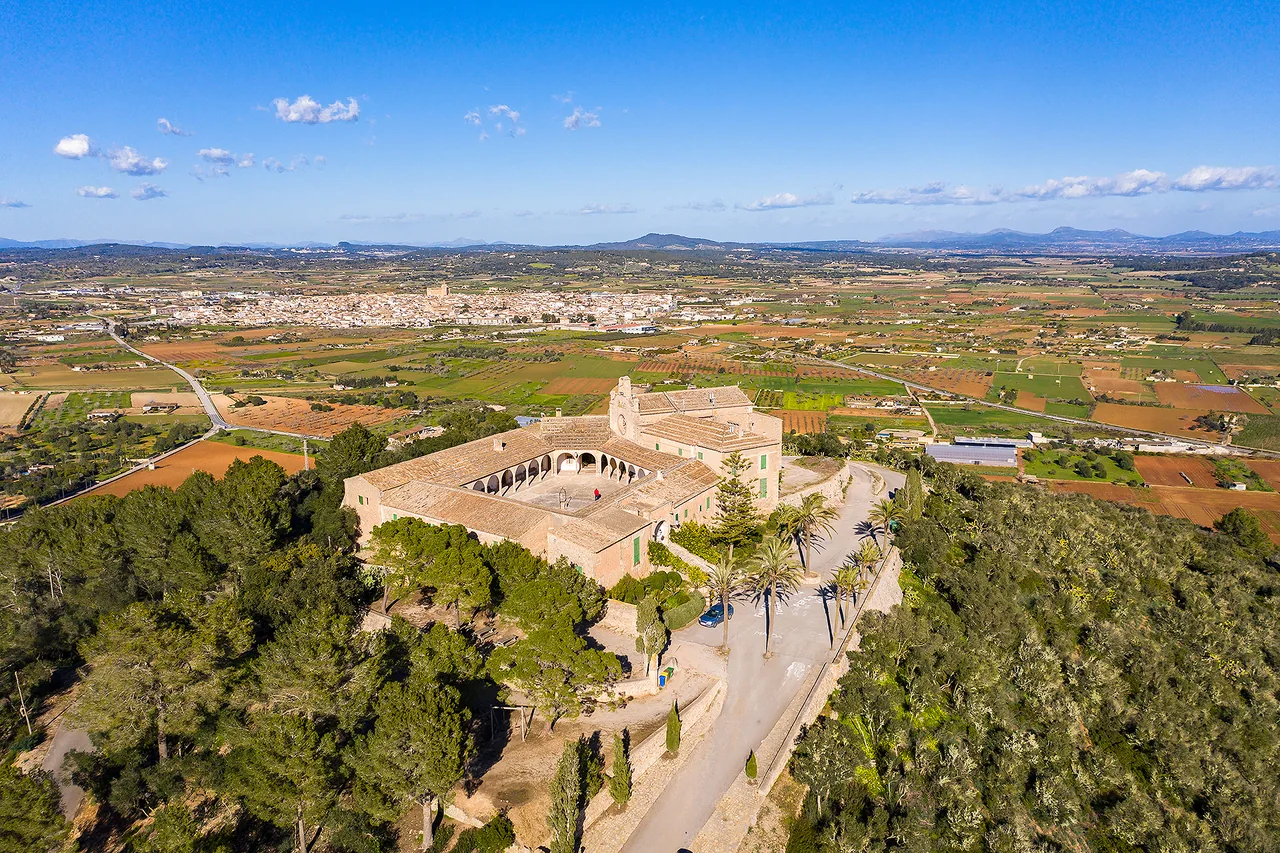
Porreres
In the heart of Majorca, you can find Porreres. Or Porreras, as it's called in Spanish. This village of 5,500 inhabitants between Llucmajor, Campos, Felanitx and Sineu owes its name to the knight Guillem de Porrera, who was at the side of King James I when he conquered Majorca from the Moors in the 13th century.
Explore this place
Felanitx
Felanitx is something of a gem in the east of the island of Majorca. Coupled with its old harbour of Portocolom, it has preserved a good deal of its originality. This is a place where you can immerse yourself in Majorcan village life!
Explore this place