
Bunyola
Bunyola: a village with special highlights
The village of Bunyola basically consists of two main streets, a few shops and the parish church of Sant Mateu with its church square. Residents enjoy the peace and tranquillity of a village while being only 20 kilometres or so from Majorca's capital, Palma. Bunyola also has a small railway station. As this is part of Majorca's famous, historic narrow-gauge railway, which dates back to the beginning of the 20th century, the "Red Lightning" train makes a stop here. Unflagging, it puffs its way from Palma to Sóller, and all the way back of course. Bunyola is a great place to board the train and take a trip either northwards or southwards.
01A fun train ride
This kind of trip reveals entirely different views of the Majorcan landscape. The locomotive with its carriages in tow has to cope with many a climb in the Tramuntana mountain range. With hoots and screeches, the whole train rattles its way around adventurous-looking bends. In truth, you really have to experience being jolted and shaken around on the basic benches inside the train at least once. It's a lot of fun, and especially great fun for kids.
The district of Bunyola itself has some highlights to offer too. Number one highlight: Jardines d'Alfàbia, the Arabic gardens of Alfàbia. Highlight number two is the estate of La Raixa , ideal for immersing yourself in the history of Majorca. If you're extremely hungry for knowledge, you could visit both in one day, although actually that's almost too fast. If you take your time, these exceptional sites have a much more intensive effect.
02A magical place
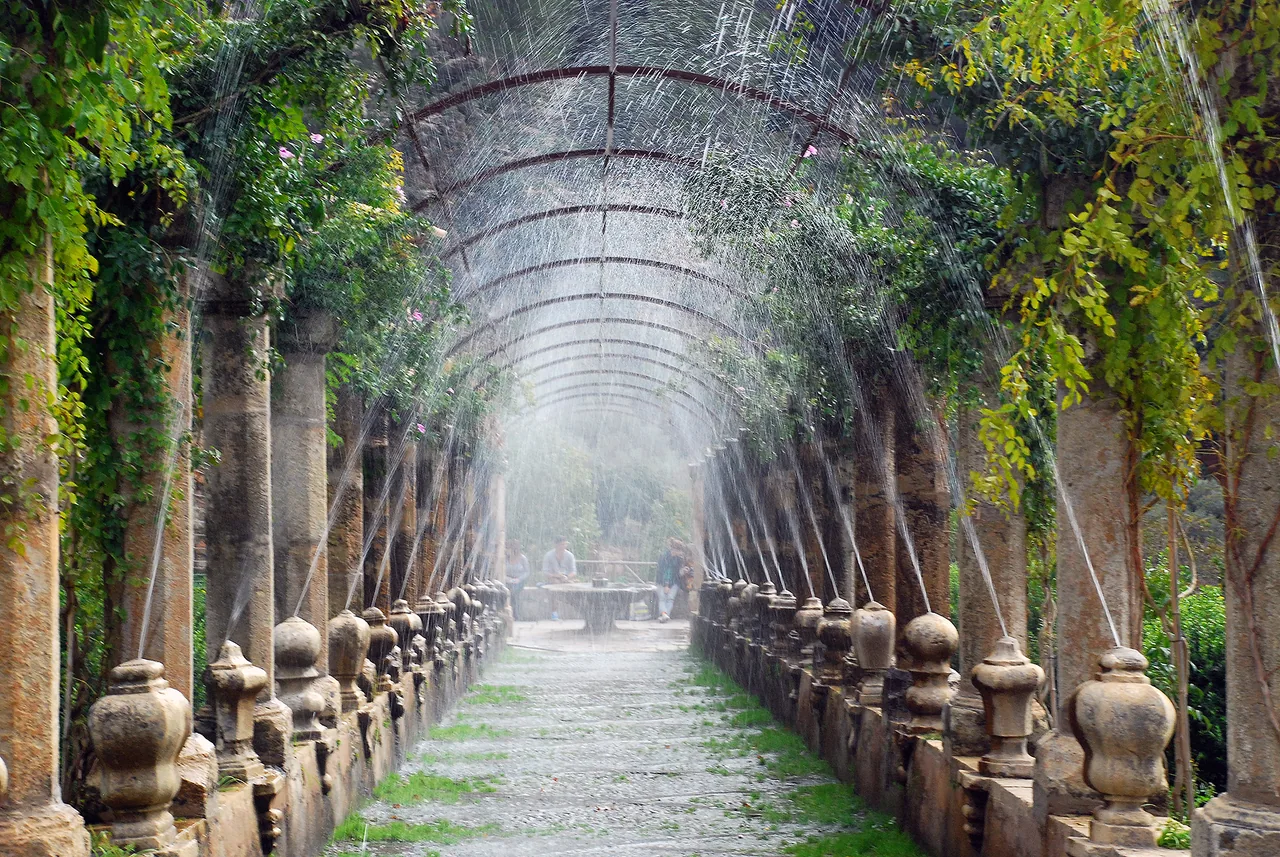
The gardens of Alfàbia are some of the most beautiful on the island. This is a place where you can forget about time. The grounds are greener than green. Originally created by the Moors in the 12th century, the property later passed into the hands of a noble family. Wherever you look, there is water rippling, bubbling, gurgling, trickling and flowing. There are streams, springs and brightly sparkling fountains. Water features , very typical in Arabic gardens , are not only a feast for the eyes; now, as in the past, they obviously also provide irrigation. This spot was selected very deliberately; a steadily gushing spring from the surrounding Tramuntana mountains has always ensured a supply of refreshing water. On a sunny island like Majorca, this is a real treasure.
03Evergreen oasis
The water allows this "evergreen oasis" to bloom, grow, and flourish. Water lilies gleam in ponds. Roses stretch their heads towards the skies. Ivy flings itself over stone walls and climbing plants hug the trees. And amongst them is the Alfàbia historic house. Dating mainly from the 14th and 15th centuries, this mansion has been preserved also. It just beckons you to have a wander through it, giving you a sense of how the nobility on Majorca once lived. On the principal floor or bel étage, you'll find walls covered with fine damask and wooden panels, and rooms adorned with paintings and sculptures.
04Raixa and the Renaissance
Just a few kilometres away is the estate of La Raixa with its loggia in the style of the Italian Renaissance. The estate is so impressive that German fashion icon Jil Sander once intended to buy it herself, although the Majorcans didn't want that. So the island Council and the government bought and restored the property.
Today, the stately building houses an exhibition providing information about the Serra de Tramuntana mountain range, which UNESCO declared a World Heritage Site in 2011. If you're there, don't miss the walk through the distinctly different gardens, whatever you do! Likewise, take a look at the enormous water reservoir , typical for estates of this size on Majorca , and pay a visit to the pavilions.
Nearby places
Valldemossa
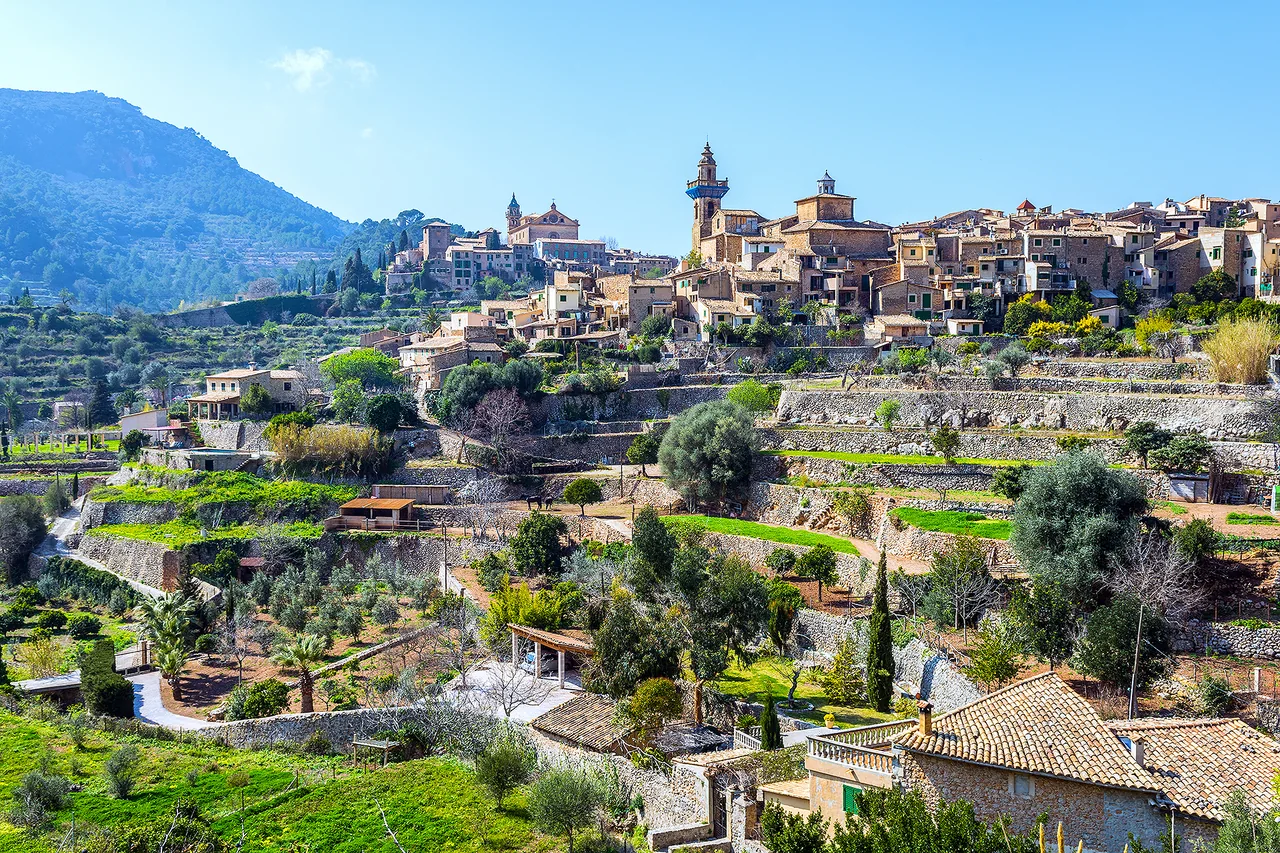
Valldemossa, a village at the foot of the Tramuntana mountains in Majorca, is famous for Frédéric Chopin and George Sand. Even at that, it has plenty more to offer.
Explore this place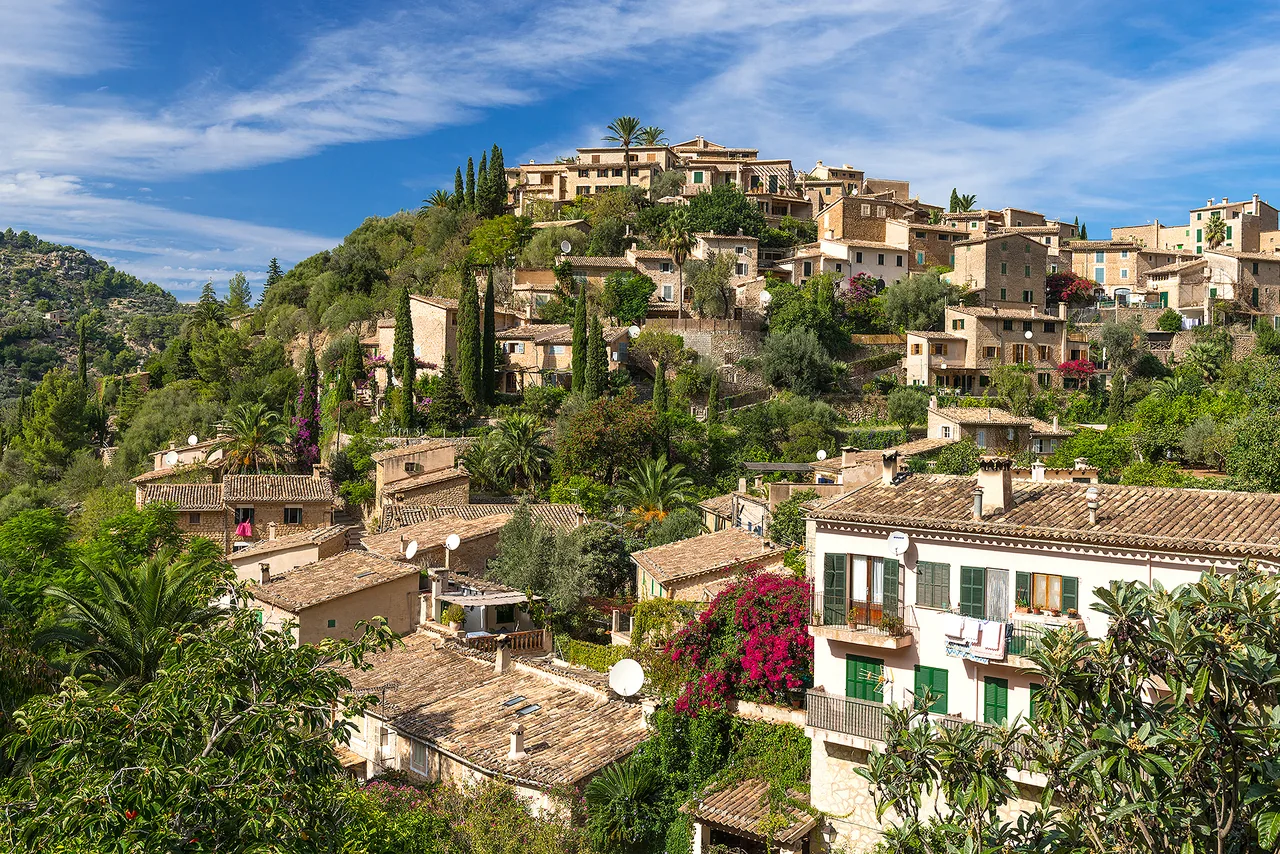
Deià
Surrounded by olive groves, Aleppo pines and mighty cypress trees, Deià once had an almost magical attraction for bohemian society , from Ava Gardner to Picasso. That's how this mountain village became known as the artists' village. To this day, it still has a flair all of its own.
Explore this place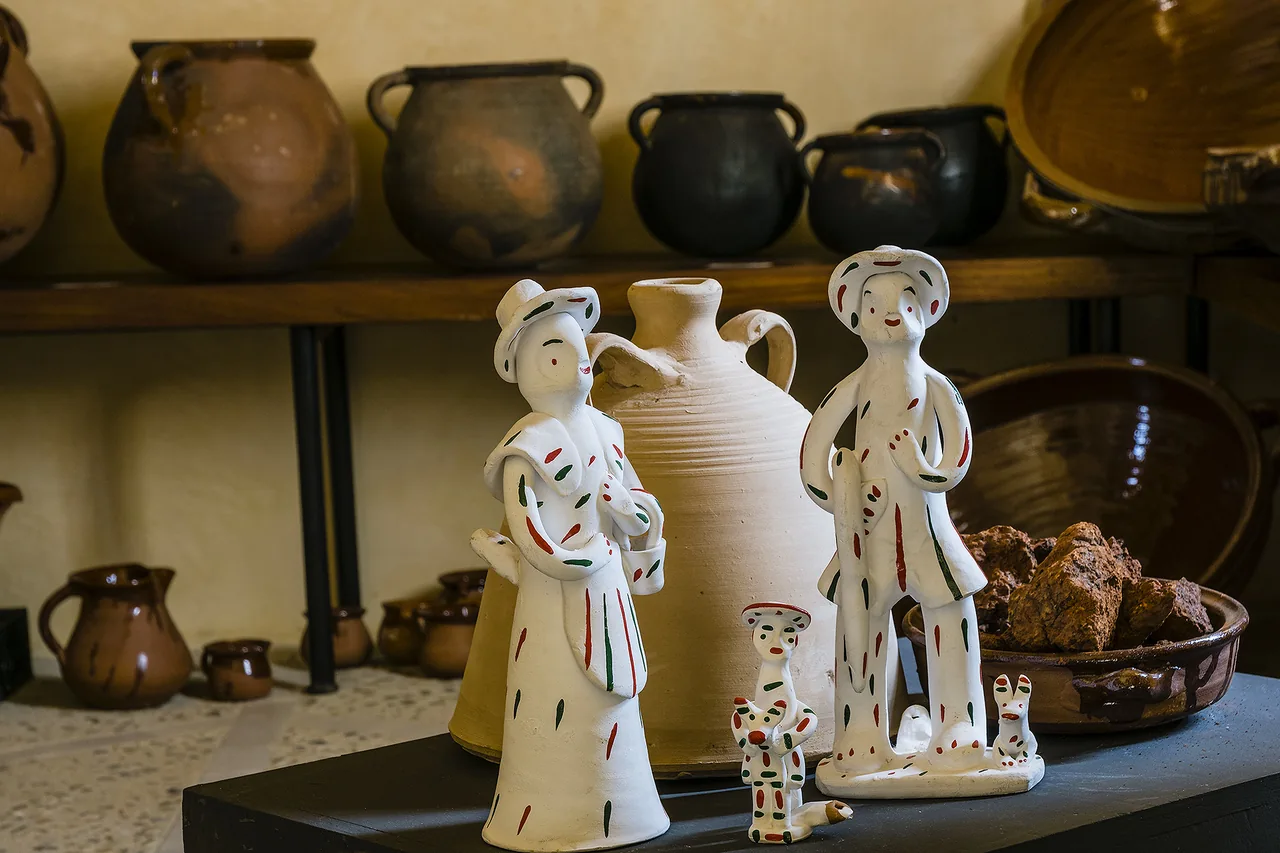
Marratxí
There is no town called Marratxí , but there is a municipality! The "municipio" has five localities: Portòl, Pont d'Inca, Sa Cabaneta, Pla de Na Tesa and Marratxínet. Together, they make up Marratxí. This municipality is located between Palma de Mallorca, Bunyola and Santa Maria and is one of the most densely populated in Majorca.
Explore this placeRelated guides
Alaró
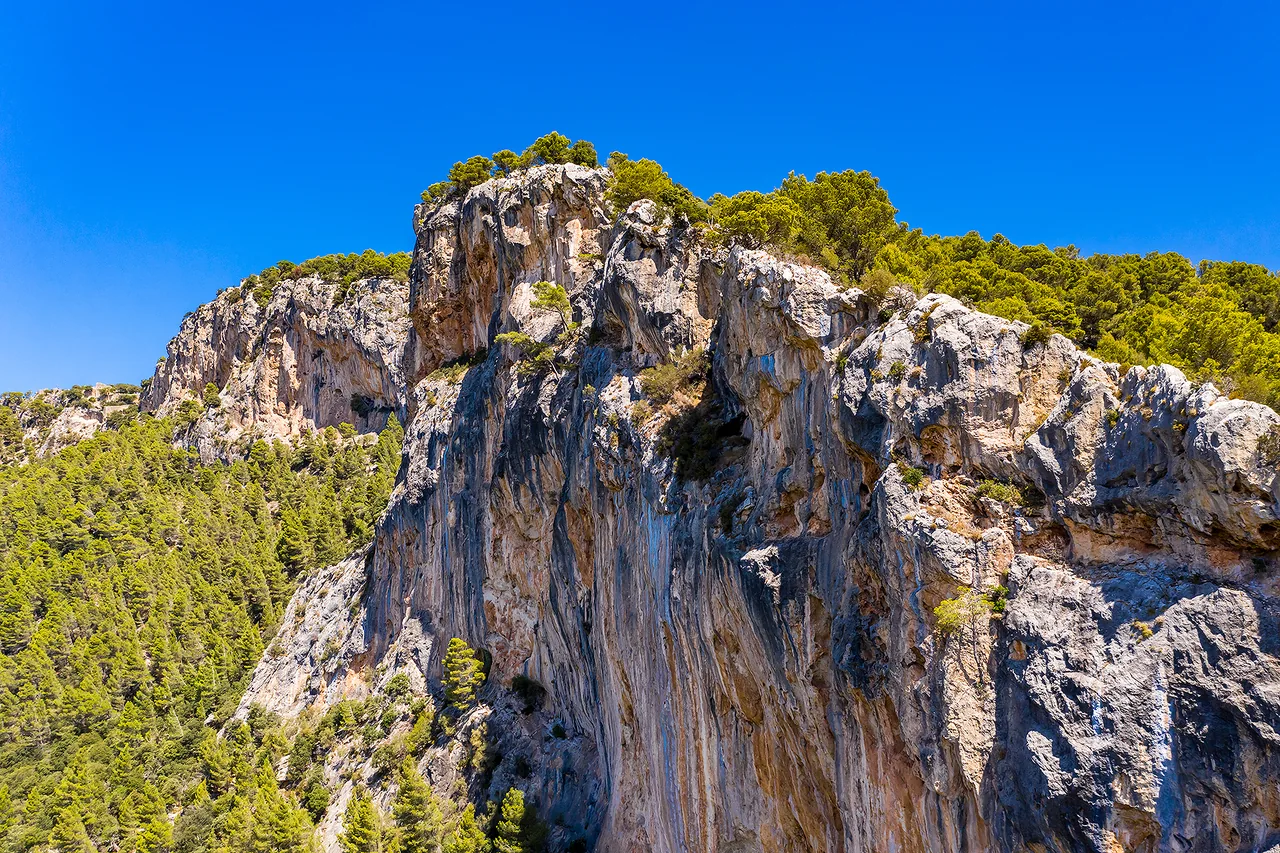
It feels really cosy, the small town of Alaró by the Tramuntana mountain range with just around 5,600 inhabitants. Mind you, as the first municipality in Majorca to have electricity, Alaró was once way ahead of its time. Electrical power was introduced here way back in 1901.
Explore this place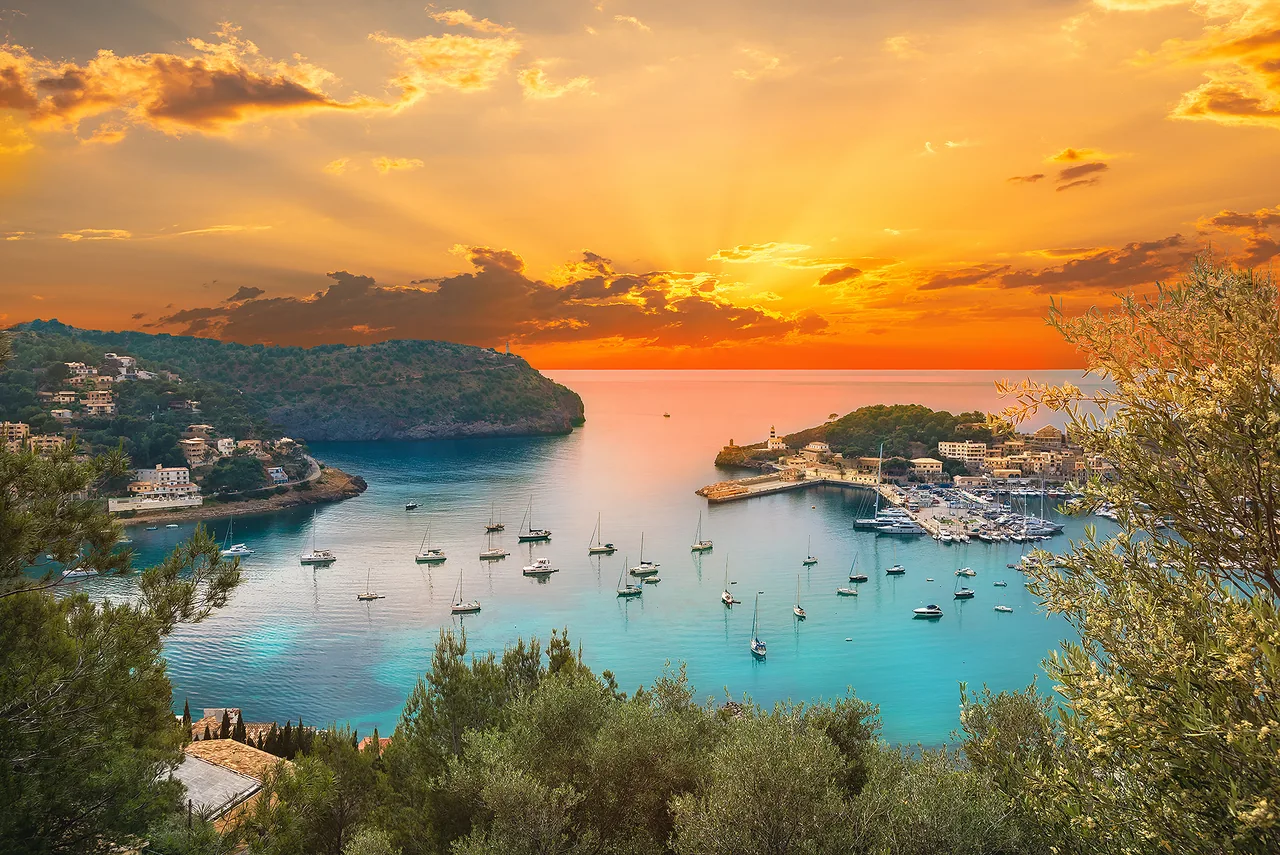
Sóller
Lemon trees and orange trees wherever you look , you're in Sóller, in the orange grove valley. This is a special place behind the mountains on the north-western coast of Majorca. It's in a valley basin surrounded by several thousand mountains of the Tramuntana mountain range.
Explore this place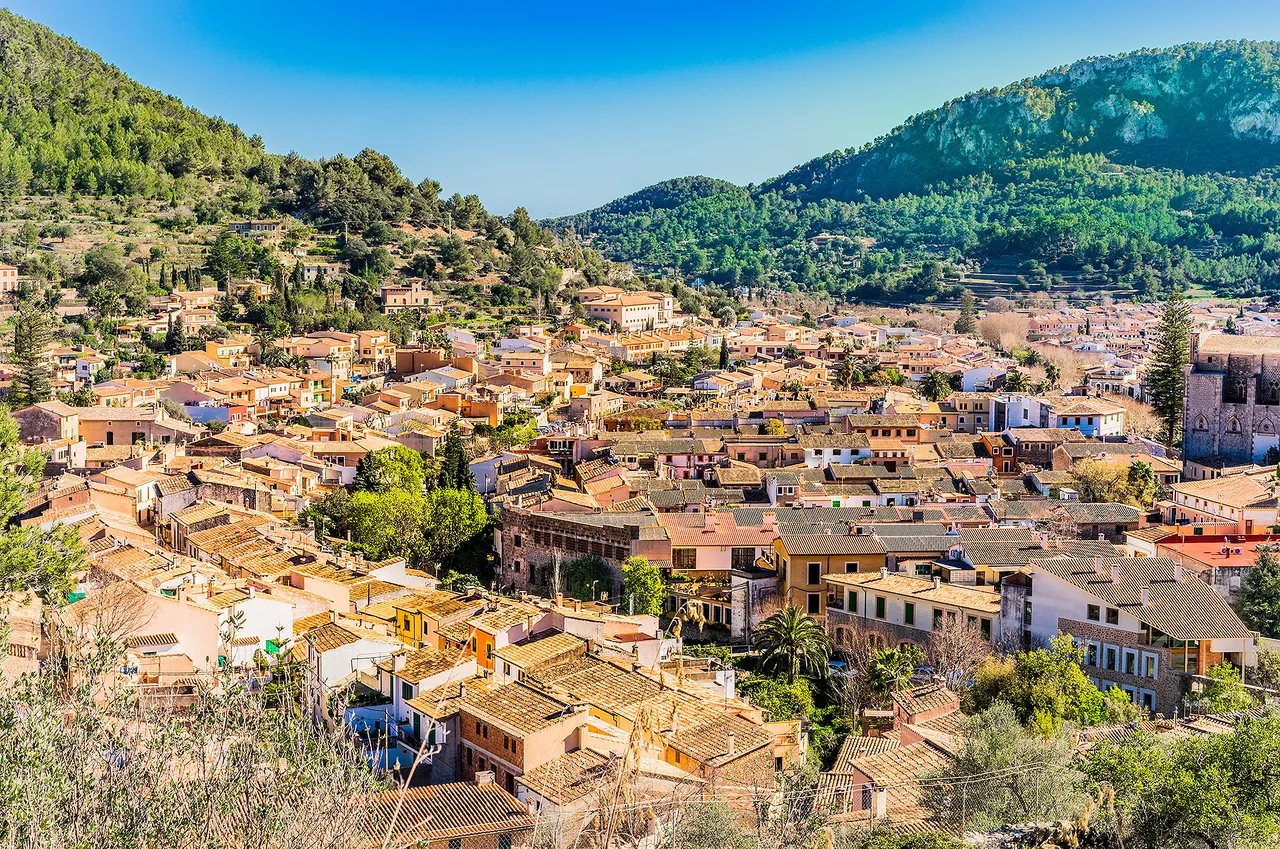
Esporles
Esporles, about 15 kilometres from Palma, is a picture-postcard village at the foot of the Tramuntana mountains. It's a municipality of about 5,000 inhabitants with a lively village centre, and just arriving here gives a feeling of pure romance. The street is lined with magnificent plane trees.
Explore this place