
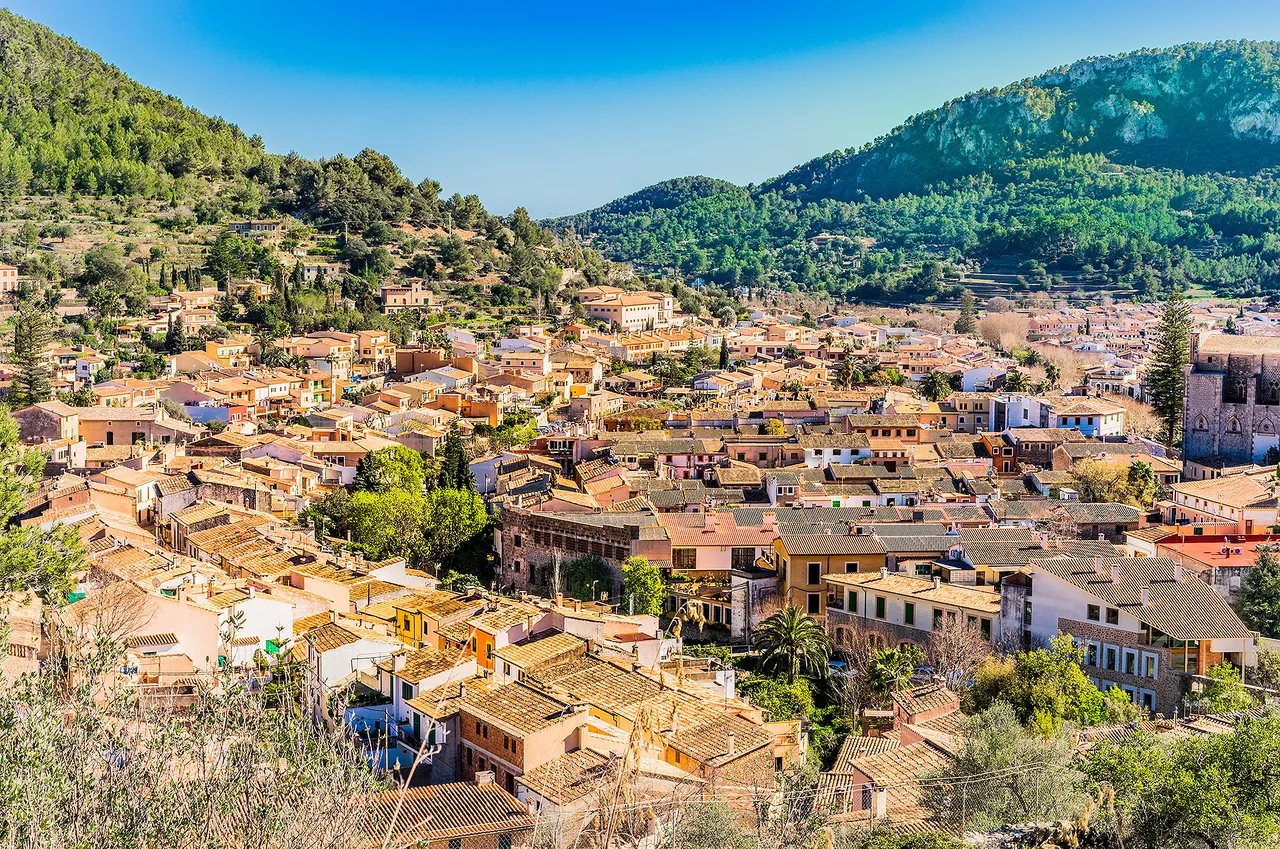
Esporles
Picture-postcard village of Esporles
Esporles, about 15 kilometres from Palma, is a picture-postcard village at the foot of the Tramuntana mountains. It's a municipality of about 5,000 inhabitants, and just arriving is really romantic. The street is lined with magnificent plane trees, providing shade in summer and a special atmosphere when the Mediterranean sun falls through the lush foliage. The fact that this tree-lined street has been preserved is due not least to the stream (referred to as a torrent). It runs parallel to the street, making its expansion virtually impossible. And Esporles , also called Esporlas , is divided in two by the torrent.
01Royal village promenade
The village has a focal point even though it's elongated. The slightly elevated Passeig del Rei ("king's promenade") is at the lively centre of the village and features traditional stone houses and inviting cafés and restaurants with terraces. It's wonderfully relaxing to sit here with a cortado coffee and maybe even order pa amb oli, the renowned Majorcan bread with olive oil, generously loaded with olives, sea fennel, cheese or ham. You could say that the terraces are the meeting point of the village. Particularly on Saturday morning, which is market day and is always a social occasion. Everyone knows each other here in Esporles.
The neo-Gothic church of Sant Pere sits majestically at the end of the Passeig, just opposite the town hall. In front of this, you'll see an unusual sculpture called "La Filadora". It's a tribute to the spinners, who once diligently spun yarn in the local textile firms in Esporles. Up until the middle of the 19th century, these companies did good business in Esporles, but there are none of them remaining today.
02Fira Dolça, with the rustling bags
Sweet temptation! Fira Dolça, the confectionery and cake fair held at the beginning of October in Esporles is a real crowd-puller, attracting visitors from all over Majorca. It could also be called a festival and it's not just children that desperately long for it to come around... for, set up on the Passeig, you'll find one stall after another of the most tempting delicacies. And is there a parking spot to be found? Almost an impossibility if you get here too late!
03Cakes, cookies, cocas
A great deal of the goodies are homemade. Who could resist? Bags are being filled, and you hear a constant rustling of the paper... because there's nothing for it but to bite into everything straight away...and then roll your eyes in ecstasy. But wait till you see the fare! For foodies, this is a paradise of pastries and sugary treats that come in all sorts of flavours, colours and forms. Among them, naturally, you'll find the Majorcan classics such as ensaimadas, robiols and crespells.
04Hiking the postal route to Banyalbufar
Afterwards, a little exercise does the world of good. The Camí del Correu begins at the parish church. This is the old postal route between Esporles and Banyalbufar, the terraced village by the sea. Springtime or autumn is the best time to go hiking in Majorca, when the temperatures are more moderate. This eight-kilometre-long connecting route was mentioned as early as the start of the 15th century. It's part of the GR-221 long-distance hiking trail through the Tramuntana mountains and gives you breathtaking, clear views as far as Valldemossa. Stagecoaches travelled on this track in the past, transporting wine, olive oil and plaits of ramallet tomatoes. The easy walk brings you up and down past olive groves and through forests of holm oak. You can still see the former charcoal kilns in places, where charcoal was produced for the islanders in the past. The route also runs past the museum estate of La Granja.
05Get goose pimples in the museum estate
Here, some two kilometres outside the village on the road to Banyalbufar, you can immerse yourself completely in the history of the island , because the 17th-century estate of La Granja, which has Arabic origins, is open to the public. La Granja has its own spring and a great abundance of water, once a prerequisite for cultivation of an estate like this. The stately parlour, forge, carpentry workshop, weaving room, and even a torture chamber convey the feeling of how life really was in these Majorcan "possessions". There are vast gardens also. Sobrassada snacks and sweet treats may help you keep body and soul together, and the gastronomy shop supplies sustenance , with samples of Majorcan specialities such as the paprika-flavoured spreadable sausage, sobrassada, and doughnut treats called bunyols for you to try. The estate has its own restaurant too. And plenty of diversion is provided by horse shows and performances of regional dances.
06Be a guest of the Marquis
Esporles is not a holiday resort and is located far from the tourist centres. However, if you're looking for a special hotel in a spectacular location, book into the suites at the Posada del Marqués. Situated at an altitude of 510 metres in the district of Es Verger, this finca from the 16th century has a noble history. The Tafona restaurant, which has a historic oil mill in the dining room, is well-known and the Posada also has a spa and wellness area. It is four kilometres from the village centre, along a road that's winding but beautiful. Meanwhile, you could take the opportunity to visit the Bodega Es Verger as well. It's a family-owned organic vineyard that also produces organic olive oil.
07Marine research in the mountain village
Even science doesn't come up short in little Esporles, since it's the location of the IMEDEA research institute, the Instituto Mediterráneo de Estudios Avanzados. Among other areas, the facility specialises in marine research. The IMEDEA lends the little village something of the big wide world feel. And it's exactly this mix that attracts so many foreigners, including those who've found their own little spot of Majorca with their very own property here , or those who would like to.
Properties in Esporles
There are currently no properties available here.
All propertiesNearby places
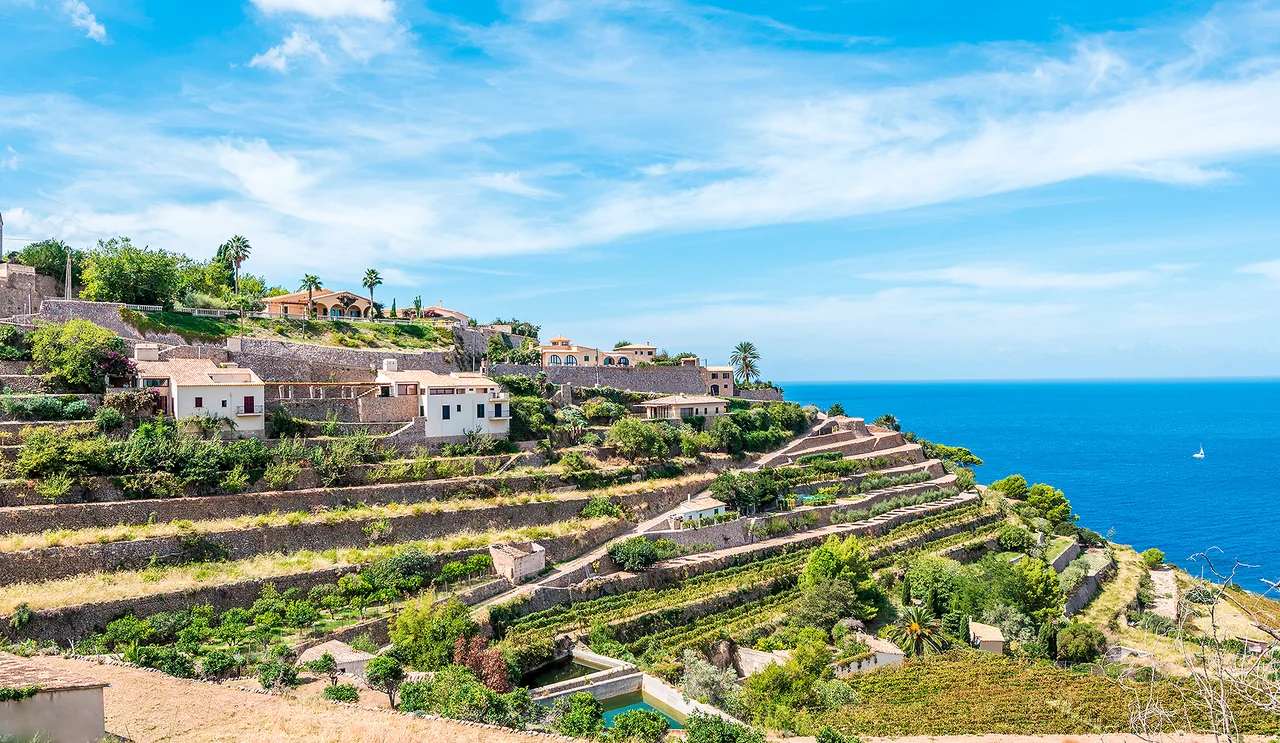
Banyalbufar
The winding MA-10 coastal road leads to the village of Banyalbufar on Majorca's west coast. Lemons, oranges and tomatoes grow on the terraced slopes of the Tramuntana mountains. The village also offers its own variety of grape , the Malvasia of Banyalbufar.
Explore this place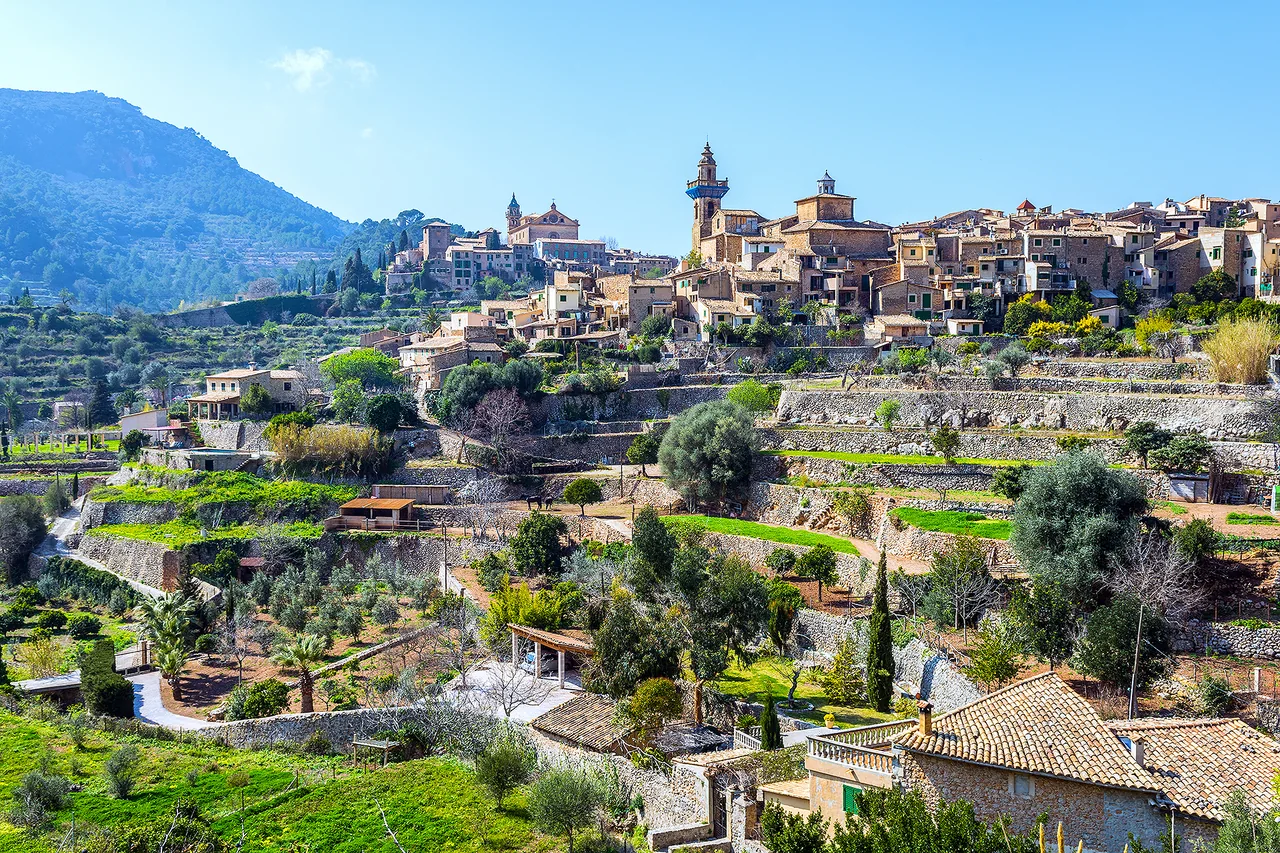
Valldemossa
Valldemossa, a village at the foot of the Tramuntana mountains in Majorca, is famous for Frédéric Chopin and George Sand. Even at that, it has plenty more to offer.
Explore this place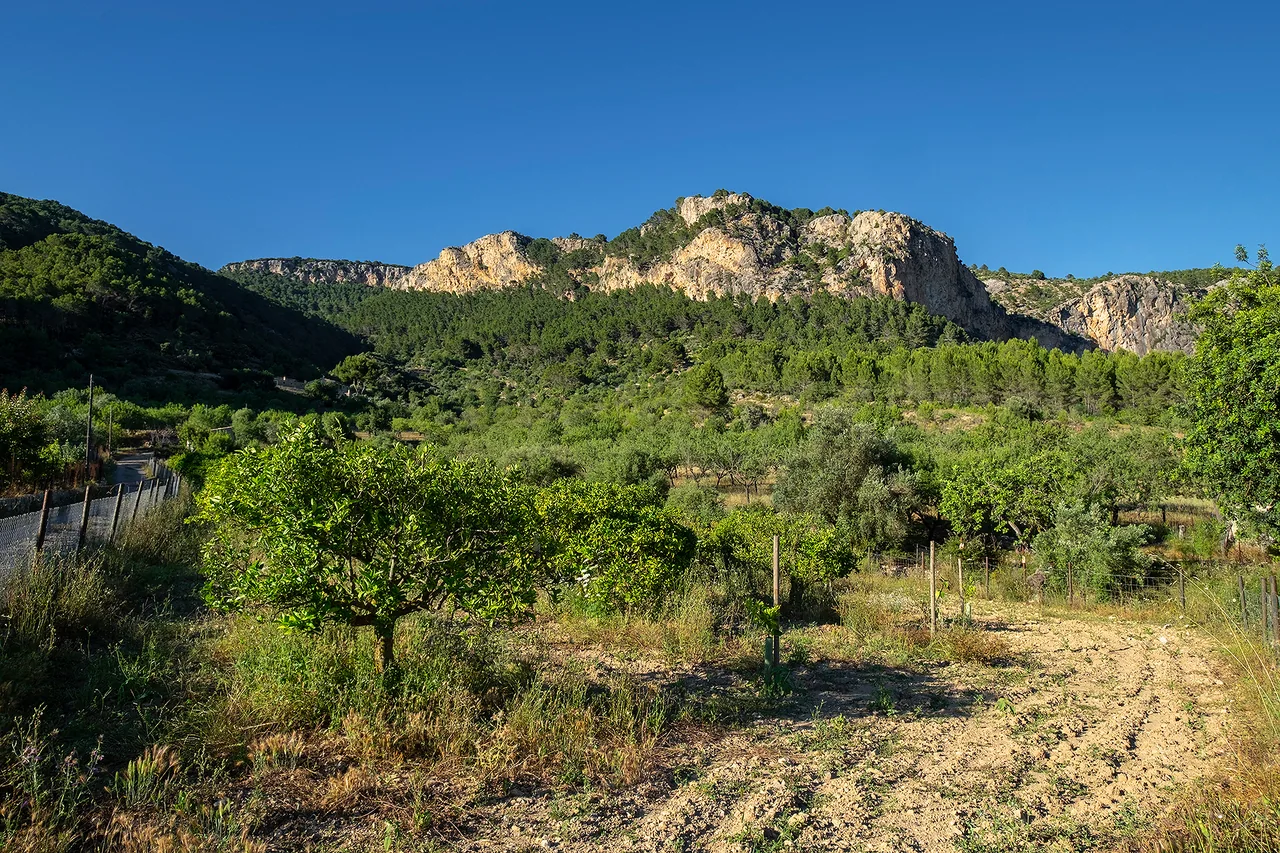
Puigpunyent
Around 15 kilometres from Palma de Mallorca lies the small mountain village of Puigpunyent. It's an ideal place to enjoy the quiet rural life, while at the same time having the lively city of Palma close by. Puigpunyent is a great starting point for cycling and hiking trips.
Explore this placeRelated guides
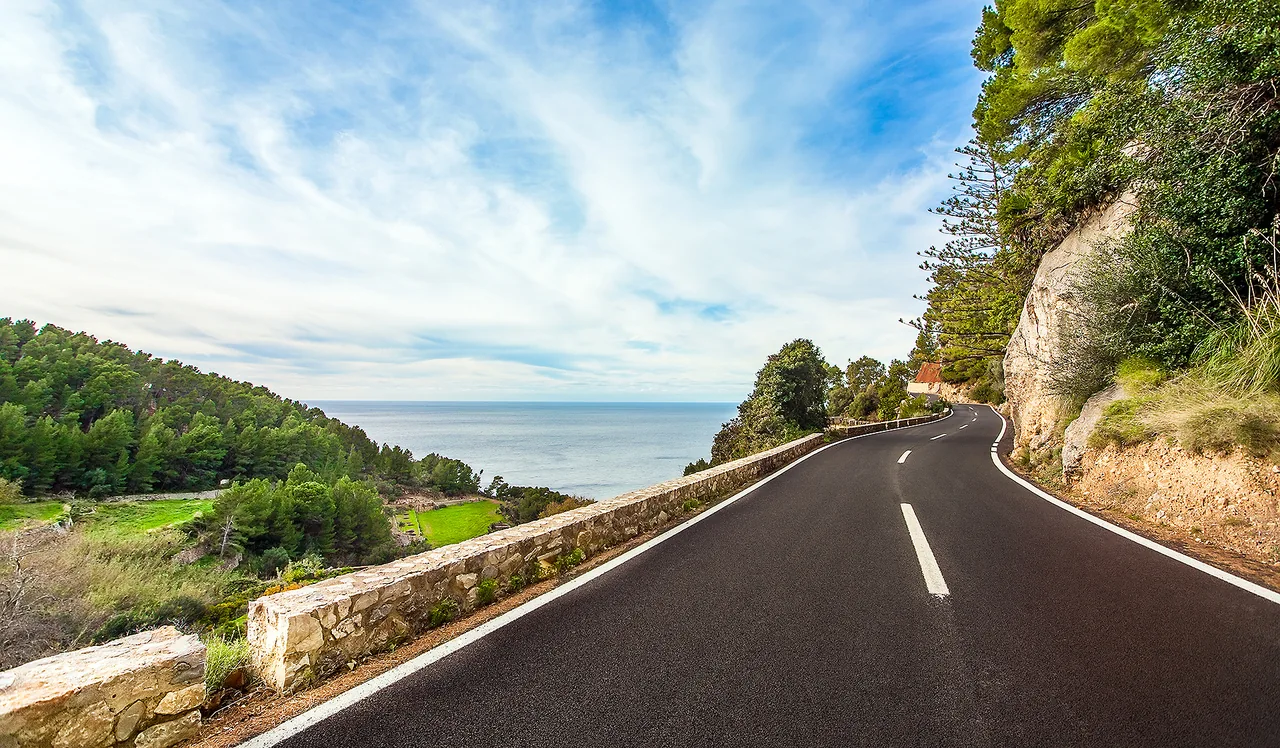
Estellencs
The placid village of Estellencs clings to the west coast of Majorca. Even the drive there along the winding MA-10 coastal road is an experience in itself. And at the traditional festivals in Estellencs, you can still feel the essentially Majorcan village atmosphere.
Explore this place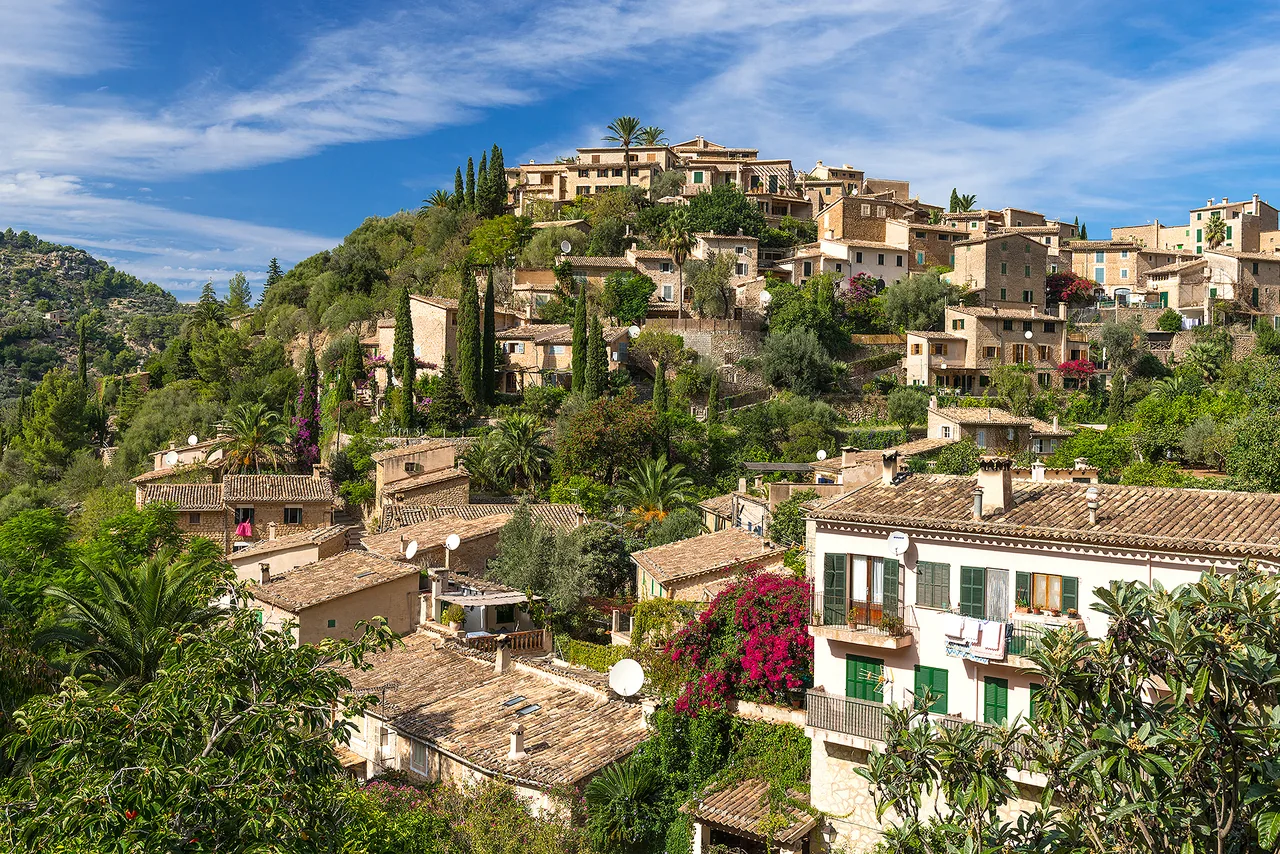
Deià
Surrounded by olive groves, Aleppo pines and mighty cypress trees, Deià once had an almost magical attraction for bohemian society , from Ava Gardner to Picasso. That's how this mountain village became known as the artists' village. To this day, it still has a flair all of its own.
Explore this place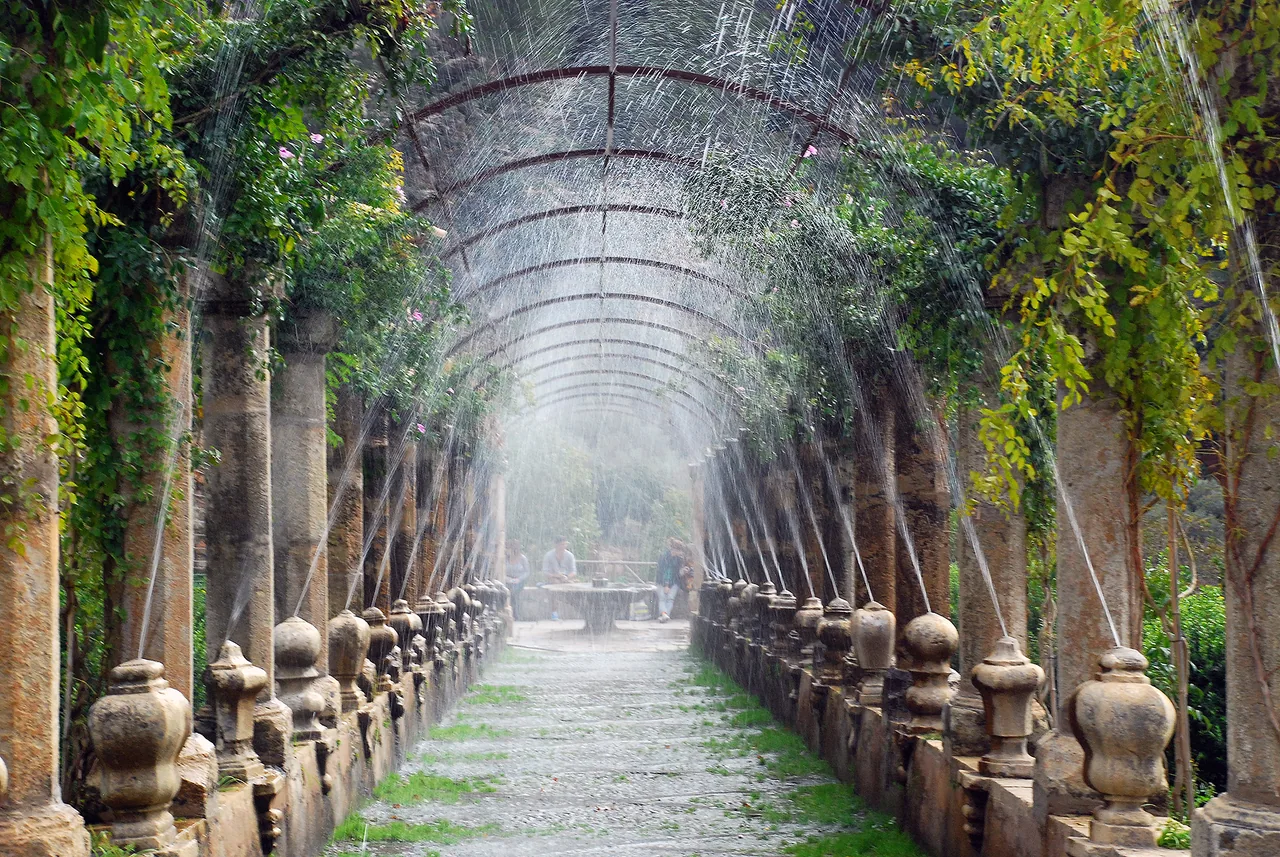
Bunyola
20 kilometres from the Majorcan capital of Palma, Bunyola offers the tranquillity of a village with some special highlights at the same time. After all, the Arabic gardens of Alfàbia and the impressive estate of La Raixa are both within the municipal area.
Explore this place